Brand / Growth / Events / Community
Athlone's Finest: a consumer sports brand from a blank page
I founded Athlone's Finest in 2023 because I had waited years for a summer football tournament in Athlone for people my age, and it never came back. So I built it. Four years later it is a recognised local sports property with 400+ players, 12 teams, six sponsors, 467% ROAS on paid acquisition and coverage in the Westmeath Independent.
- Role
- Founder & Marketing Lead
- Timeline
- May 2023 to present
- Scope
- Consumer researchBrand buildingOrganic contentPaid acquisitionEventsPartnershipsRetention
- Return on ad spend (2026)
- 467%Return on ad spend (2026)
- Players across four years
- 400+Players across four years
- Teams in 2026, the biggest edition yet
- 12Teams in 2026, the biggest edition yet
- Sponsors in 2026, a record
- 6Sponsors in 2026, a record
At a glance
- Project
- A recurring consumer sports brand, community and event platform built from nothing across four years of tournaments.
- My role
- Founder and marketing lead. Research, brand, content, paid media, sponsorship, event delivery, retention.
- Key outputs
- 400+ players across four years, 12 teams in 2026
- 467% ROAS from the 2026 two-week paid acquisition campaign
- 50% repeat team participation across consecutive editions
- A record six sponsors in 2026
- athlonesfinest.com, built with Claude Code, now the third-ranked six-a-side website in Ireland
- Coverage in the Westmeath Independent
- Primary result
- 467% return on ad spend
Tech stack
Tools used
 Meta Ads Manager
- Meta Business Suite
 Instagram Insights
 Google Analytics 4
 Google Tag Manager
 Claude Code
 DaVinci Resolve
 CapCut
01 · The challenge
Convincing people to trust a brand that did not exist
The initial marketing problem was bigger than promoting a football tournament. There was no established brand, no track record, no community and no reason for teams to trust that the event would be worth their time.
I started with market and consumer research into what people wanted from a local tournament and what might stop them entering, then worked with external vendors to secure the pitch and produce the first promotional materials. Within a few weeks the data showed my initial target audience was not converting strongly enough, so I changed the approach and expanded into different audiences through Facebook advertising instead of pushing the same message harder.
At 2am on the morning of the first tournament, the final team registered. Eight teams, one tournament, and a brand had officially started. That became the operating pattern for everything after: launch, observe behaviour, identify friction, adapt.
02 · Understanding the consumer
Football was the category. Community was the product.
Liking football only got someone halfway to entering. Participants had to be motivated enough to coordinate a group of friends, pay to enter and actually show up on the day, so the proposition needed to offer more than the sport itself.
Through conversations, participation patterns and campaign performance, the strongest motivations kept coming back to competition, the social experience of doing something locally with friends, atmosphere on the day, credibility (especially in year one, with no track record), and low friction, because team registration creates a strange consumer problem: the person registering may be sold, but seven other players still have to commit.
A campaign could generate attention and registrations without guaranteeing that eight players turned up. That pushed my thinking beyond acquisition and across the whole journey: attention, interest, registration, commitment, attendance, experience, return.
03 · The strategy
Build the brand and audience before maximising acquisition
I deliberately never treated a tournament as an isolated campaign. Each year became another stage of the same consumer growth strategy. 2023 established the brand and tested demand. 2024 strengthened the proposition while teaching me how experience and operational friction affect trust and repeat participation. 2025 used accumulated audience knowledge to improve acquisition, creative and conversion. 2026 deepened customer understanding, strengthened retention and expanded beyond the immediate local market.
The audience built in the earlier years never disappeared when a tournament ended. It became an asset I could re-engage, retarget and convert in future campaigns, which is exactly what made the later paid results possible.
04 · 2023, creating the brand
From an idea to eight teams
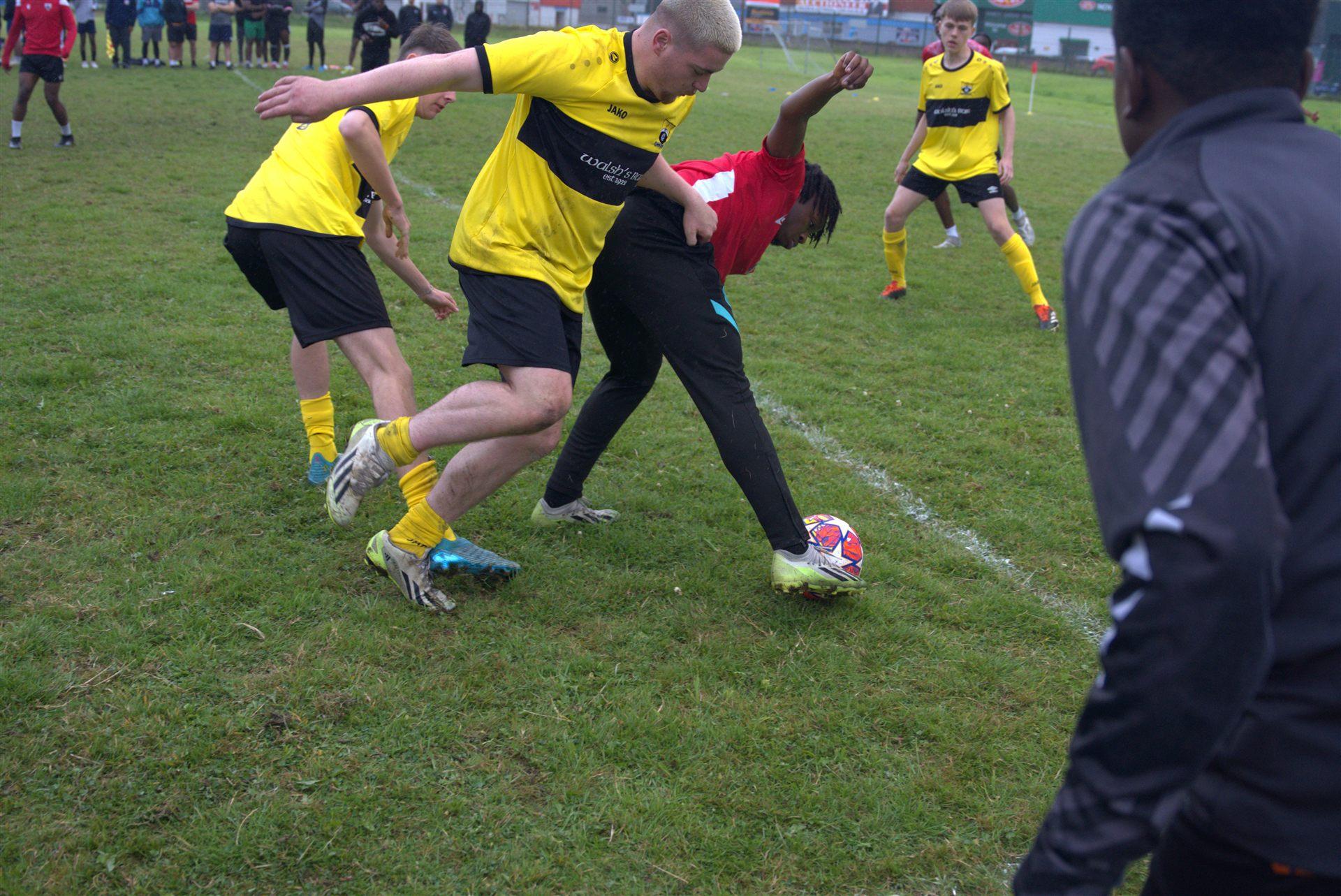
Year one had to prove the concept could work. I developed the initial brand and promotional approach, conducted the research, worked with vendors on event infrastructure and launched promotion. When the first targeting underperformed I adapted the audience strategy rather than letting the campaign stall.
After weeks of promotion and paid activity, the final team registered at 2am on tournament day. The first event validated the proposition, and it produced something advertising cannot buy: a real community of participants and the beginnings of a brand people recognised.
05 · 2024, learning through friction
The experience became part of the marketing
Year two was meant to be expansion, with an ambition to run two tournaments. Weather delays and a run of operational problems meant only one went ahead. The pitch configuration changed for seven-a-side, the vendor painted the markings too small, the toilets were out, the rain came, referees failed to show, and three teams no-showed. The event still went ahead: games and goals, tensions rising, controversial calls, and the previous year's champions winning again with a completely different squad.
That year taught me a consumer marketing lesson I have carried since: the product experience is part of the brand. A strong campaign gets someone to register once. A poor experience decides whether they come back.
Despite the chaos, four of the eight teams from the previous year returned. That 50% returning team rate was an early retention signal worth more than any single acquisition number: evidence that some customers were choosing the brand again.
06 · 2025, experimentation and adaptation
Attention does not automatically create demand
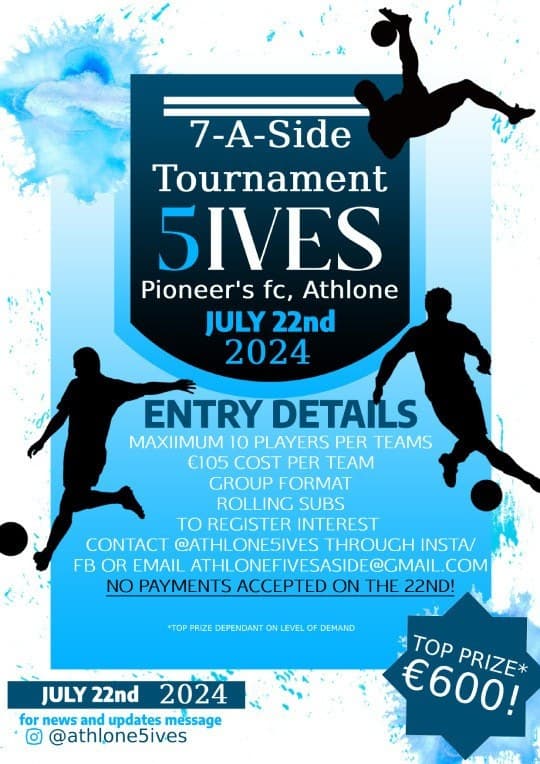
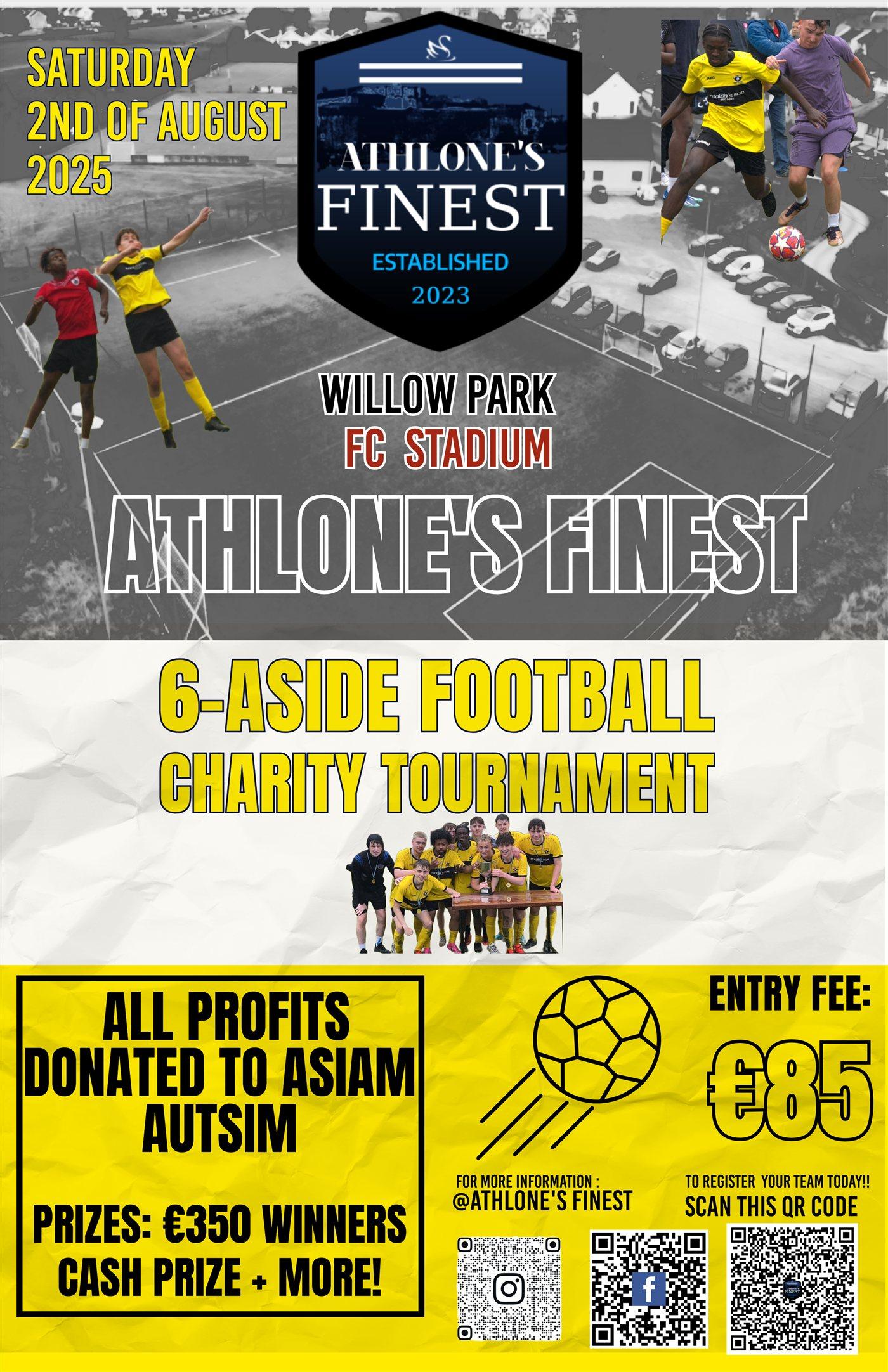
By year three I knew the brand needed to evolve. I moved back to the astro pitch, changed the identity to Athlone's Finest, produced new promotional material and started experimenting with AI-generated video, video advertising and emerging social formats. Some of it went locally viral.
I also followed a market trend into a 1v1 football tournament, with an influencer partner attached. It generated interest from sponsors, spectators and a local vendor, but player registrations stayed weak. Conversations with potential participants surfaced a psychological barrier: 1v1 football is notorious for people being embarrassed on camera, and everyone I spoke to saw themselves as the one about to be embarrassed. The influencer also posted two days before the event instead of the agreed three weeks, having absorbed most of the budget. Two lessons, learned properly: always have a backup, and always test a trend against local behaviour before spending on it.
Rather than keep spending on a weak proposition, I redirected everything into the five-a-side the following week, applied the learnings and increased the advertising. The campaign came in at EUR 8.13 cost per lead, 15 teams signed up, the most to that point, and eight showed up on the day, with the gap driven by the team-commitment friction and a few people getting the location wrong. Four of those eight teams returned the following year, holding the 50% repeat rate.
€8.13
Cost per lead on the 2025 five-a-side campaign
07 · Creative strategy
Creative built around behaviour
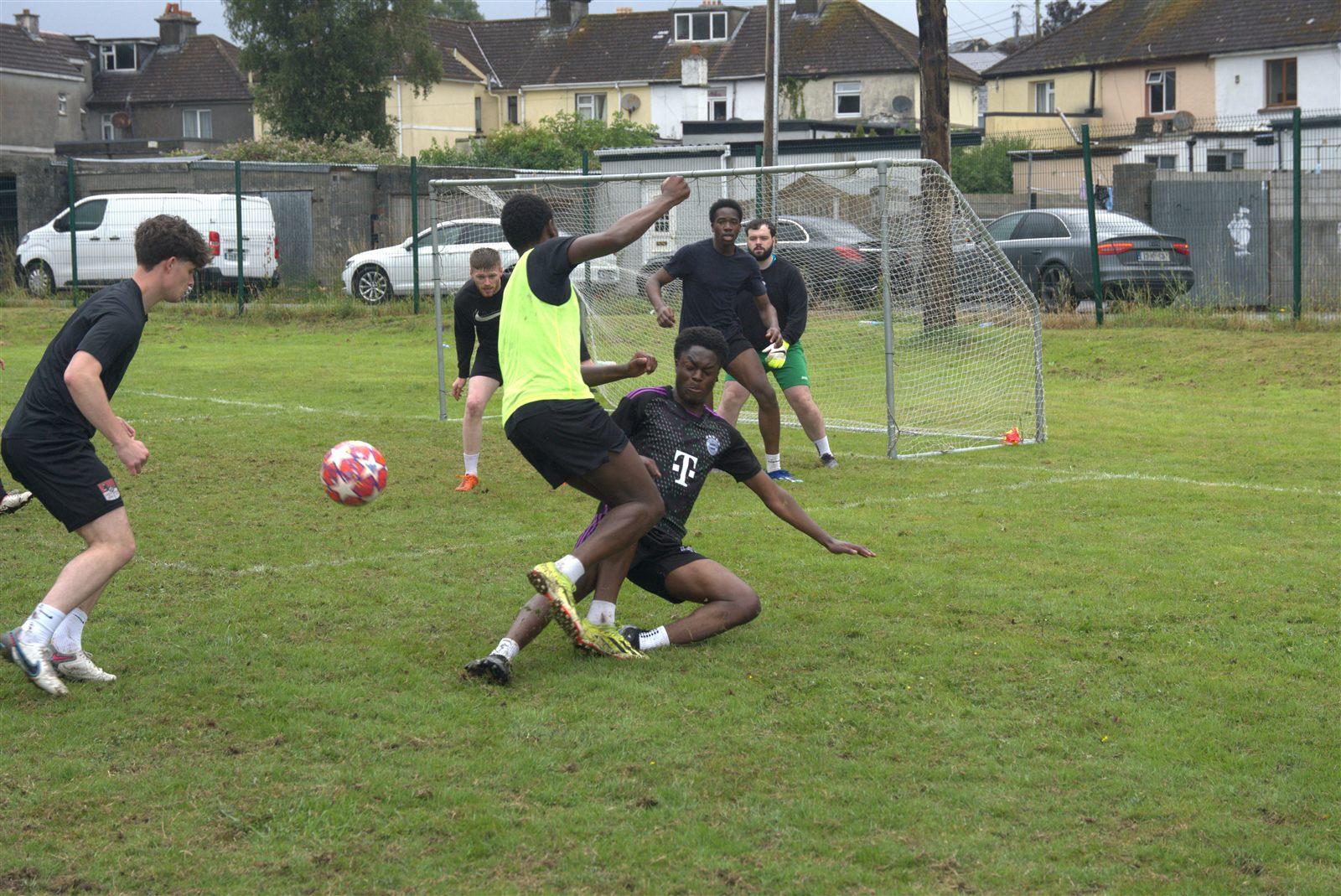
My creative work has always served the marketing objective. Campaign graphics, promotional videos, social content and brand assets were all designed around the behaviour of a young, locally connected sports audience, built on three principles: authenticity, using real match footage so potential participants could see the actual experience; shareability, because team participation is inherently social and the content had to be worth sending to friends; and attention, experimenting with unconventional formats, including AI video, to break through crowded feeds.
The strongest lesson came from creative testing. Polished promotional content did not automatically outperform simple match footage shot on a phone at pitchside. The real footage often held attention longer because it showed the atmosphere instead of describing it. That changed my creative decision-making from asking whether something looked good to asking whether this audience would stop, share and act on it.
08 · Channels and distribution
Each channel with a role in the journey
Organic social built familiarity and community through match footage, short form video and ongoing engagement, growing to 36,000+ monthly organic impressions. Paid social added reach and accelerated registrations when organic demand alone fell short, passing 150,000 paid Meta views. Retargeting re-engaged people who already knew the brand instead of paying to introduce it from scratch.
Events converted digital attention into a physical experience worth talking about. Partnerships and sponsorships extended the brand into the local community while improving the event's value proposition. And press added earned credibility, with the 2026 tournament covered by the Westmeath Independent. Together the channels worked as one interconnected system.
09 · 2026, turning audience into growth
From local tournament to a stronger consumer brand
By 2026 the question had changed from whether people would attend to who the most valuable audience was, why previous participants returned, what stopped others, and how the brand could travel beyond its original catchment. I ran a deeper review of the audience and customers, reassessed the ideal customer profile, and drafted and iterated athlonesfinest.com around what I learned.
The website was built with Claude Code, written as code from scratch instead of assembled in WordPress, with Google Analytics 4 and Google Tag Manager implemented and on-page SEO built in. It now ranks as the third six-a-side website in Ireland, which means the brand gets found through search as well as social.
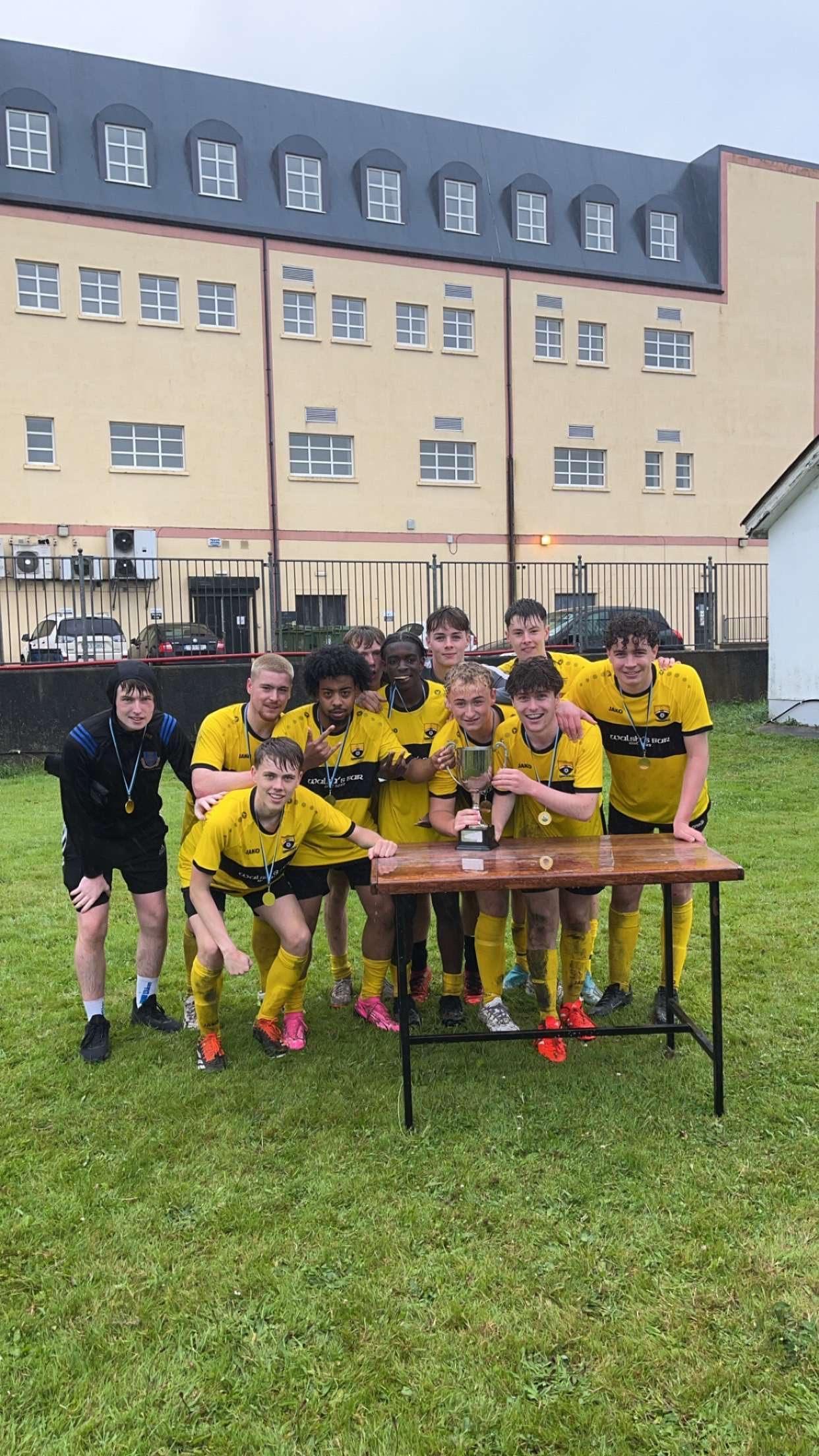
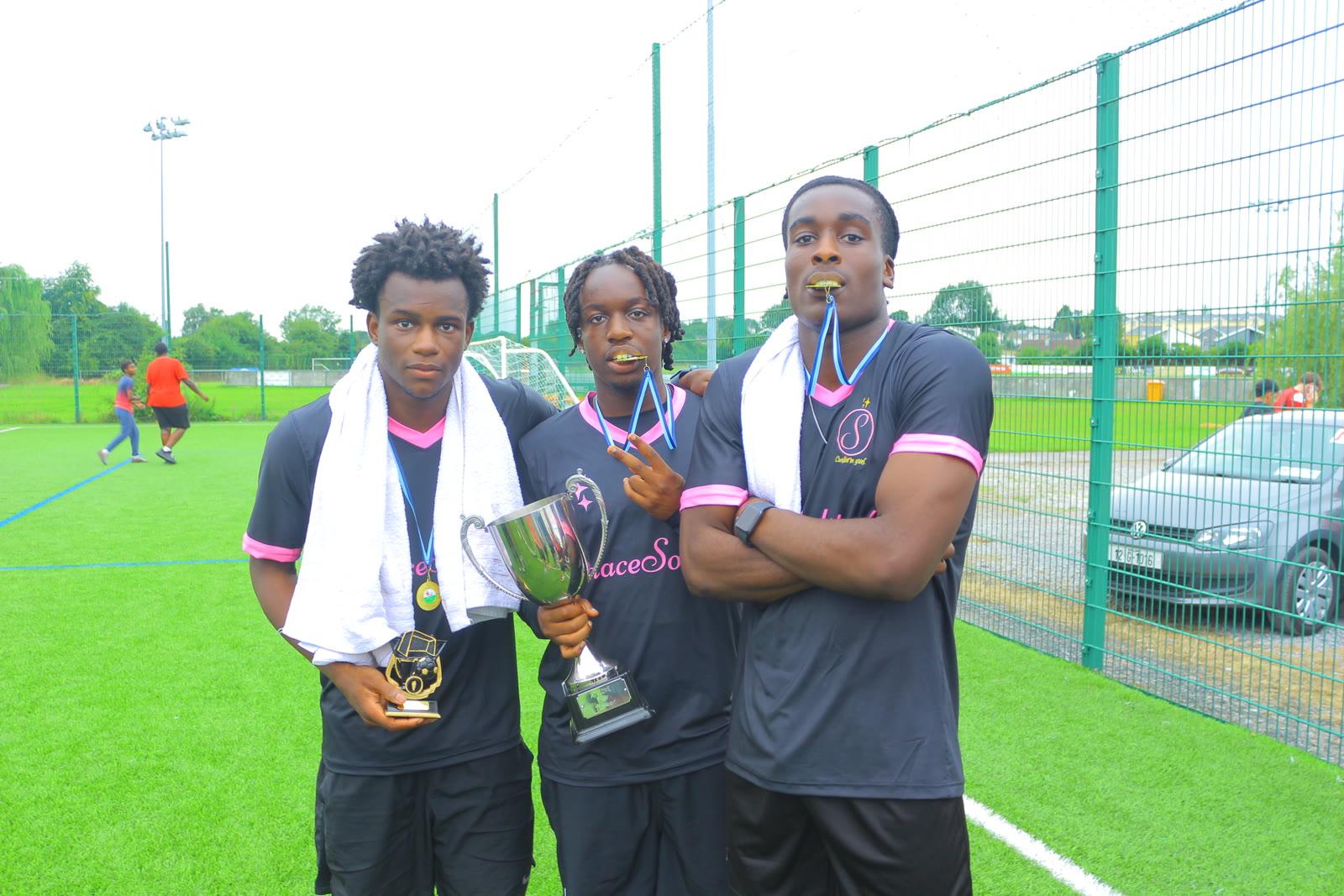
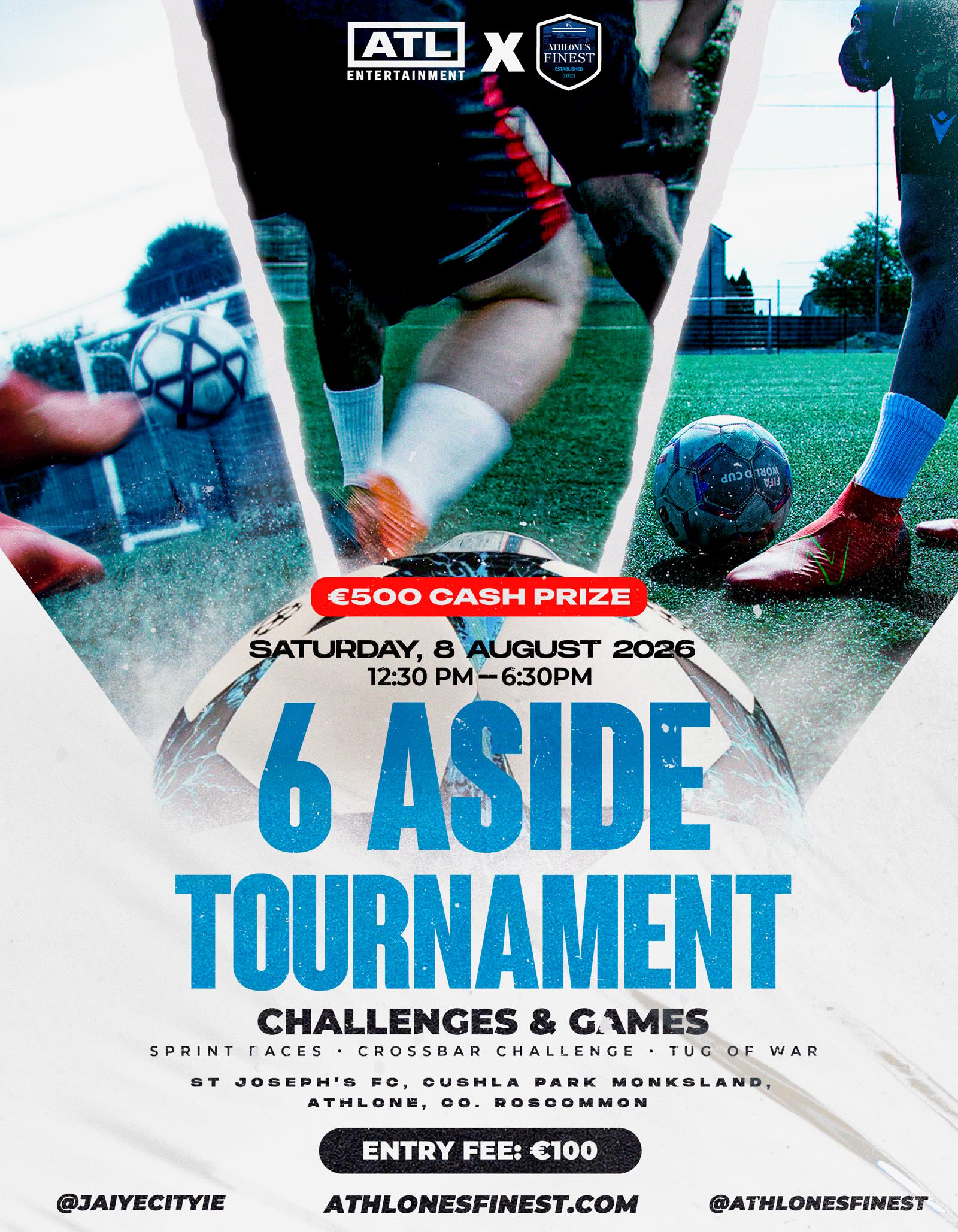
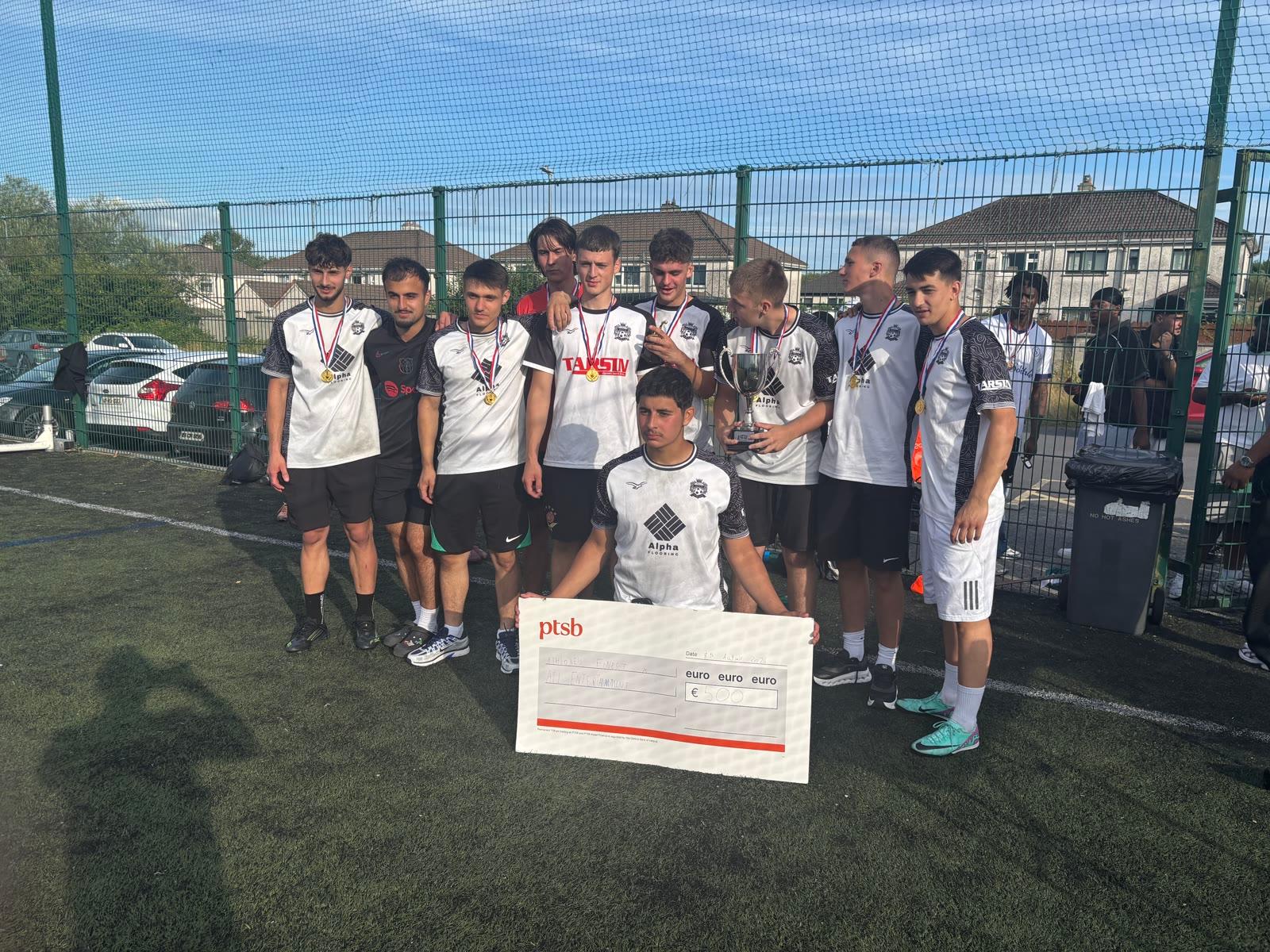
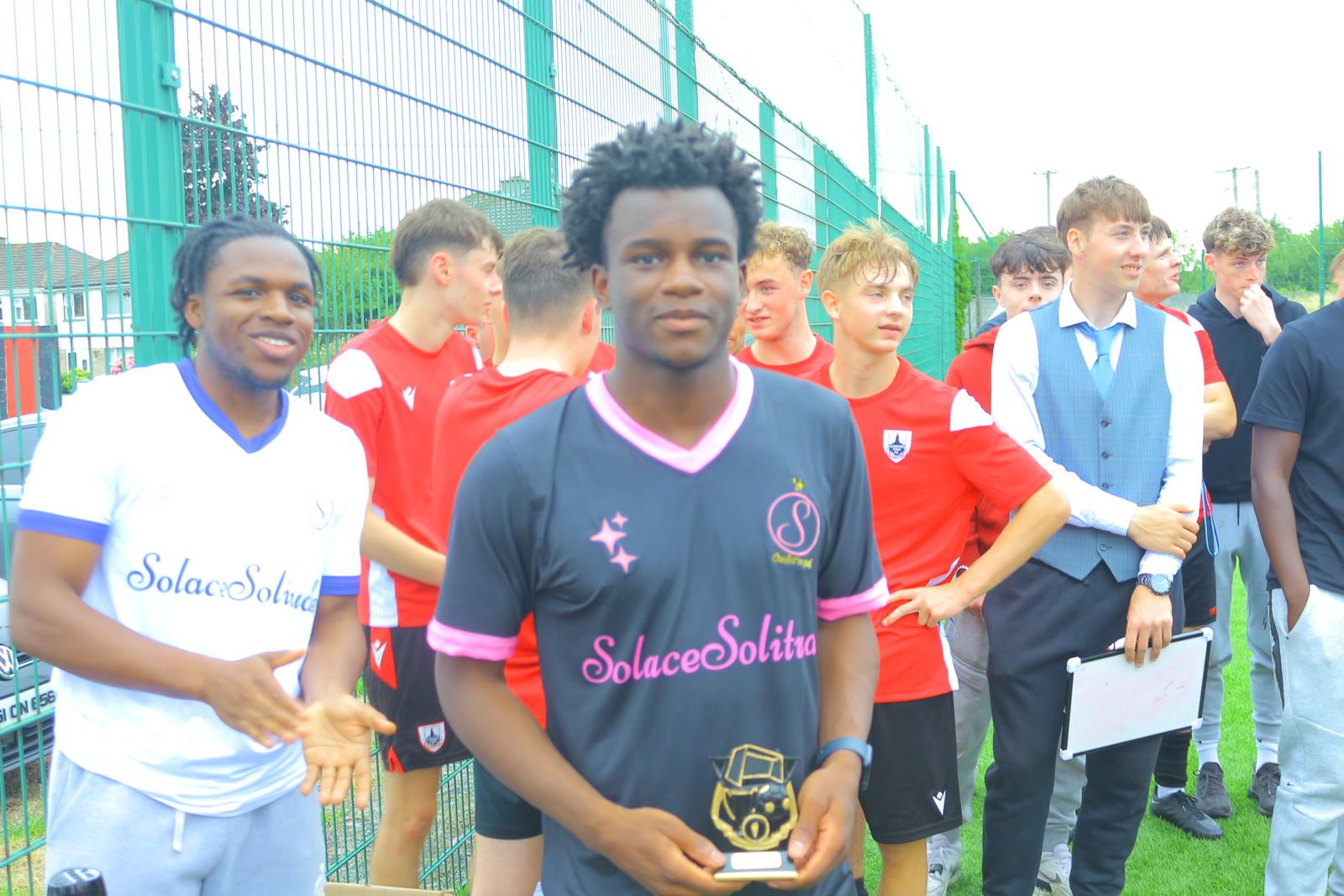
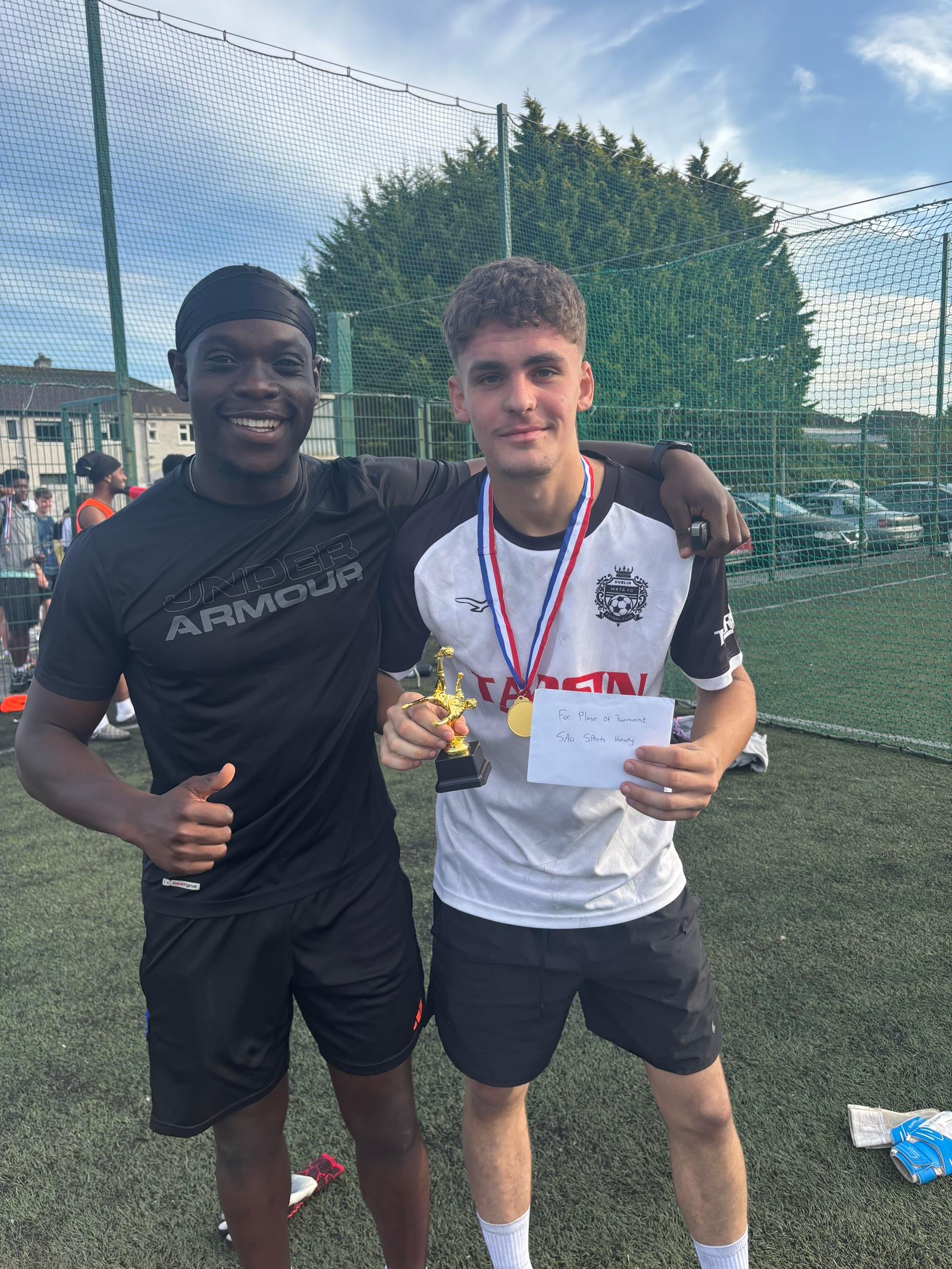
I also recognised that the operation itself was becoming the constraint. Marketing, content, the website, sponsorship, stakeholder management and event delivery were getting hard to run alone, so the strategy shifted from doing more to building a more scalable system, including bringing in help on the day: real referees, bigger prizes, proper food vendors and a bigger team. The impact showed. Teams travelled from outside Athlone for the first time, including from Limerick and Dublin, and the tournament reached 12 teams, the largest edition to date, with a record six sponsors, including local restaurants offering prizes worth over EUR 100.
10 · Retention and community
Building a reason to come back
Rather than treating every tournament as a fresh acquisition problem, I used previous participation as customer insight. The first clear signal came in 2024, when four of eight teams returned, and the same four-of-eight pattern held again in 2025: a 50% repeat team participation rate across the relevant returning cohorts.
The numbers also exposed the journey's weakest link. Registered teams and match-day teams were different lists, with team coordination, player commitment and even people getting the location wrong creating friction between intent and attendance.
In 2026 I used more detailed messaging strategies aimed at reconnecting with previous participants and making key people feel personally attached to the brand, including teams who had skipped a year. The shift in the brand's voice says it best: the question moved from asking whether you want to enter our tournament, to reminding you that you are already part of Athlone's Finest.
11 · Paid acquisition
467% ROAS from audience, creative and optimisation
The 2026 acquisition campaign ran for two weeks before the tournament and generated EUR 700.70 in gross registration revenue attributed to the campaign, producing a 467% ROAS: roughly EUR 4.67 back for every EUR 1 attributed to advertising.
That result never stood alone. The campaign drew on the audience, brand familiarity and content infrastructure built across the previous three years, combining creative testing, audience targeting, a content calendar and retargeting to move people from awareness to registration. The commercial principle it demonstrated: a previously developed audience becomes an acquisition asset that makes future conversion cheaper.
I also modelled customer lifetime value from average customer value and average customer lifespan, producing a 4.1 CLTV figure under the project's customer economics model. That kept my thinking on the longer-term value of acquiring and retaining participants rather than a single registration.
467%
Return on ad spend, 2026 campaign
12 · Experimentation
Testing, learning and changing course
One of the most useful experiments came from a targeting glitch. A Meta campaign built for the local market accidentally went worldwide, and within six hours an ad on a EUR 10 daily budget generated three leads, with people as far away as Uganda signing up.
Global targeting was useless for a local tournament, but the anomaly said something about the creative. An ad I had written off as underperforming generated disproportionate engagement once it met a broader audience, which means creative and audience have to be diagnosed separately when reading results. With a larger budget I would turn that anomaly into structured testing, deliberately isolating creative, audience and proposition variables.
13 · Commercial impact
Brand, acquisition and retention feed each other
The commercial value developed in stages: prove demand, then repeat participation, then efficient acquisition, then commercial partnerships. By 2026 the brand had an audience that could support registrations, sponsorship conversations and expansion at the same time.
The record six sponsors showed local businesses saw value in reaching the Athlone's Finest audience. The 467% ROAS showed paid activity generating a measurable return from that audience. The repeat participation data showed the brand bringing customers back rather than renting attention. And teams travelling from Limerick and Dublin showed the proposition beginning to move beyond its original geography.
The lesson underneath all of it: a stronger brand creates a stronger audience, a stronger audience improves acquisition, a good customer experience creates repeat participation, and repeat customers strengthen the economics of every future campaign.
14 · What I would do next
A grassroots football platform
With a larger budget and national ambition, I would develop Athlone's Finest into a broader grassroots football platform. First, a formal customer lifecycle separating awareness, consideration, registration, attendance and repeat participation, so each stage can be measured and optimised on its own. Second, formalised creative testing around hooks, formats, propositions and audience segments, building a repeatable learning system instead of campaign-by-campaign experimentation.
Third, a deeper retention programme using participant history for personalised communication, early access and incentives for previous teams. And finally, a small team around the project, because four years of running it taught me that sustainable consumer growth needs a brand people recognise, an audience you understand, an experience they value and a system that gives them reasons to come back.
15 · Tools & tech stack
What the work ran on
Paid and analytics: Meta Ads Manager, Meta Business Suite, Instagram Insights, Google Analytics 4, Google Tag Manager.
Web: athlonesfinest.com, built with Claude Code, with on-page SEO and GA4 and GTM measurement.
Content: Google Veo and Higgsfield for AI video experiments, short form video and match footage cut for TikTok, Instagram and Facebook.
16 · What happened
From one idea to a compounding consumer brand: sustained participation, repeat customers, efficient paid acquisition, record sponsorship and earned press, all built on an audience developed year over year.
- ROAS on the 2026 campaign, EUR 700.70 gross attributed revenue
- 467%ROAS on the 2026 campaign, EUR 700.70 gross attributed revenue
- Cost per lead, 2025 five-a-side campaign
- €8.13Cost per lead, 2025 five-a-side campaign
- Players across four years
- 400+Players across four years
- Repeat team participation across consecutive editions
- 50%Repeat team participation across consecutive editions
- Teams in 2026, with entries from Limerick and Dublin
- 12Teams in 2026, with entries from Limerick and Dublin
- Sponsors in 2026, a record
- 6Sponsors in 2026, a record
- Paid Meta views
- 150,000+Paid Meta views
- Monthly organic impressions
- 36,000+Monthly organic impressions
- Ranked six-a-side website in Ireland: athlonesfinest.com
- 3rdRanked six-a-side website in Ireland: athlonesfinest.com
Reflection
What I learned
Consumer insight beats assumptions, because the audience quickly exposes what it actually values. Attention and demand are different things too: the 1v1 tournament drew sponsors and spectators but never overcame the psychological barrier to signing up.
Creative performance matters more than creative ego. Real match footage could outperform more polished promotional work because it showed the audience the experience itself. And brand building compounds: the audience from the early years became the retargeting pool, the acquisition asset and the sponsorship story of the later ones.
The customer experience is marketing. Weather, referees, pitch quality, communication and atmosphere all decide whether someone trusts the brand enough to come back. And growth eventually needs infrastructure: by 2026 the constraint was no longer my marketing, it was how much one person can sustainably run.